
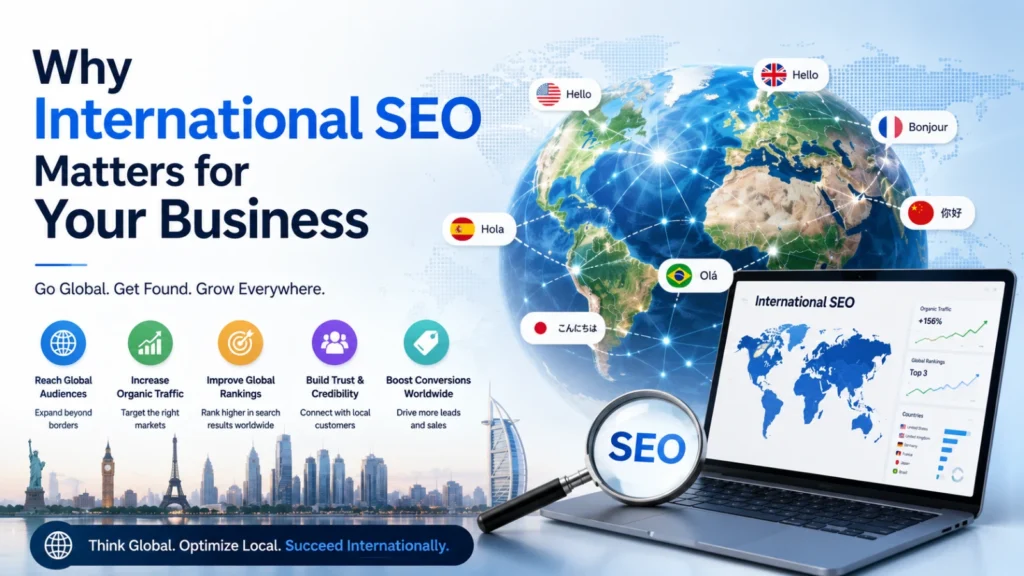
A website that ranks well at home doesn’t automatically work abroad. Search engines treat different countries and languages as distinct audiences entirely. International SEO exists to bridge that gap deliberately. Here’s why it matters more than most businesses realize.
What International SEO Actually Means
International SEO optimizes a website to rank well across different countries and languages. It goes beyond simple translation of existing page content. It accounts for local search behavior, competition, and cultural expectations. Done well, it makes a business feel native to each target market.
Why Direct Translation Isn't Enough
Translating a page word for word often misses how people actually search. Keywords that work in one language rarely translate directly into another. Search intent, phrasing, and even preferred platforms vary by region significantly. Genuine localization requires real keyword research in each target market.
Why Technical Setup Matters as Much as Content
Search engines need clear signals about which content serves which audience. Hreflang tags tell search engines which language and region a page targets. Without them, search engines may show the wrong version to visitors. Getting this technical layer wrong quietly limits reach in every target market.
Choosing the Right URL Structure
Businesses can use country-specific domains, subdomains, or subdirectories for international content. Each option carries different implications for authority, cost, and management complexity. Country-code domains often build stronger local trust but require more resources. Subdirectories are simpler to manage and still support solid international targeting.
Why Local Search Behavior Differs So Much
People in different countries often use different search engines and habits. Preferred keywords, question phrasing, and even device usage vary by region. A strategy built entirely around one market rarely transfers cleanly elsewhere. Real research into each market prevents wasted effort on the wrong keywords.
Avoiding Duplicate Content Problems
Multiple language versions of similar content can confuse search engines significantly. Without proper technical signals, search engines may flag pages as duplicates. This can hurt rankings across all versions, not just one region. Correct hreflang implementation and clear structure prevent this problem entirely.
Why Local Backlinks and Signals Matter
Search engines weigh local relevance signals heavily for regional search results. Backlinks from local sites, directories, and press carry real regional weight. A business known only through international links may struggle locally regardless. Building local authority takes deliberate effort, not just translated content.
The Business Case Beyond Just Rankings
International SEO isn’t only about visibility; it directly affects trust and conversions. Visitors trust content that feels genuinely built for their market and language. A poorly localized experience can quietly push potential customers toward competitors instead. Getting this right supports both traffic and actual revenue growth.
Common Mistakes Businesses Make
Many businesses simply translate content without adjusting for local search behavior. Others skip hreflang tags entirely, causing search engines to serve mismatched content. Some ignore page speed for international visitors, hurting experience and rankings alike. Treating every market identically remains one of the most common, costly mistakes.
The Bottom Line
International SEO isn’t optional for businesses genuinely serving multiple markets or regions. It requires more than translation: proper technical setup, local research, and cultural care. Businesses that invest here build trust, visibility, and conversions in every target market. Skipping it means competing at a real, avoidable disadvantage internationally.
Frequently Asked Questions
Is international SEO the same as simply translating my website?
No. Translation is one part, but true localization considers search behavior and culture. Technical setup, like hreflang tags, matters just as much.
What are hreflang tags, and why do they matter?
They tell search engines which language and region a page is meant for. Without them, search engines may show visitors the wrong version.
Should I use country domains, subdomains, or subdirectories?
It depends on your resources and goals. Country domains build stronger local trust; subdirectories are simpler to manage.
Can poor international SEO hurt my existing rankings?
Yes. Duplicate or mismatched content across regions can confuse search engines. This can hurt visibility across all your website versions.
Do I need separate keyword research for each target market?
Yes. Search behavior and preferred phrasing vary significantly across countries and languages. Reusing one market’s keywords elsewhere often underperforms.
Is international SEO only relevant for large global companies?
No. Any business targeting customers in multiple countries benefits from this. Even smaller businesses gain real advantages from proper localization.
